
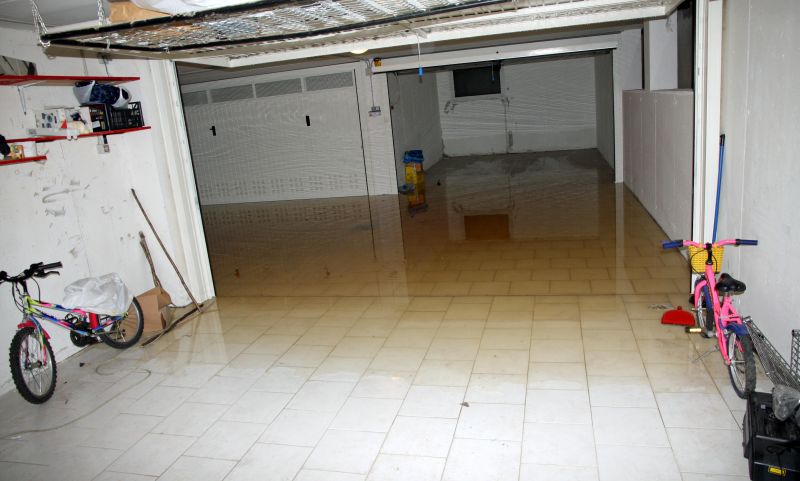
Water Remediation in Wilmington, NC
Water remediation services involve the process of identifying, cleaning, and restoring properties affected by water damage. This can include situations such as flooding, burst pipes, roof leaks, or sewage backups. The goal is to remove excess water, dry affected areas thoroughly, and prevent issues like mold growth or structural deterioration. Projects may range from small-scale repairs in a single room to extensive restoration of entire homes, ensuring that property owners can recover from water-related incidents efficiently and effectively.
Homeowners typically want to understand the scope of water remediation, including the areas that may be affected and the steps involved in drying and cleaning. It’s important to consider whether the damage is confined or widespread, and to be aware of potential secondary issues like mold or compromised building materials. Contacting a professional can help assess the extent of water damage and develop a plan to restore the property to a safe, dry condition.
Many property owners in Wilmington, NC look into Water Remediation for repairs, replacements, upgrades, and appearance-related improvements.
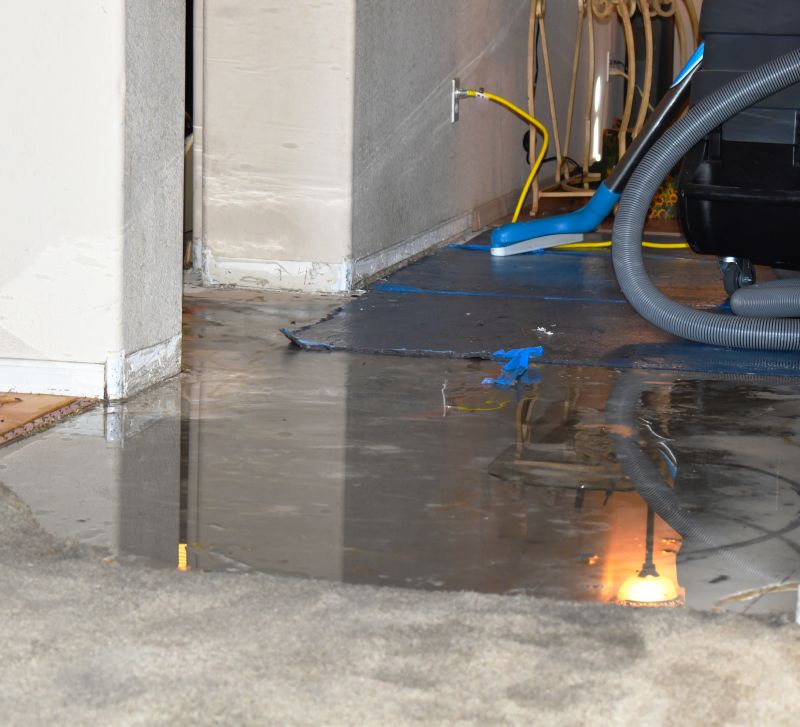
Water Damage Cleanup
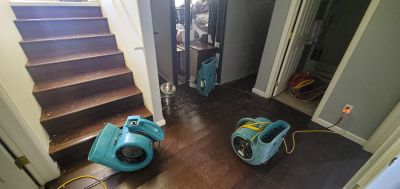
Effective removal of excess water to prevent further property damage.
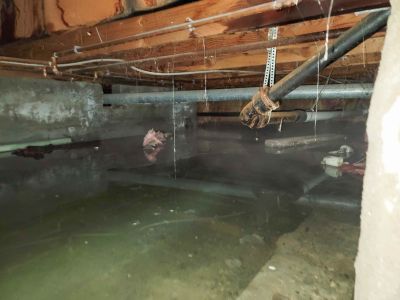
Mold Prevention And Removal
Treating affected areas to inhibit mold growth after water intrusion.
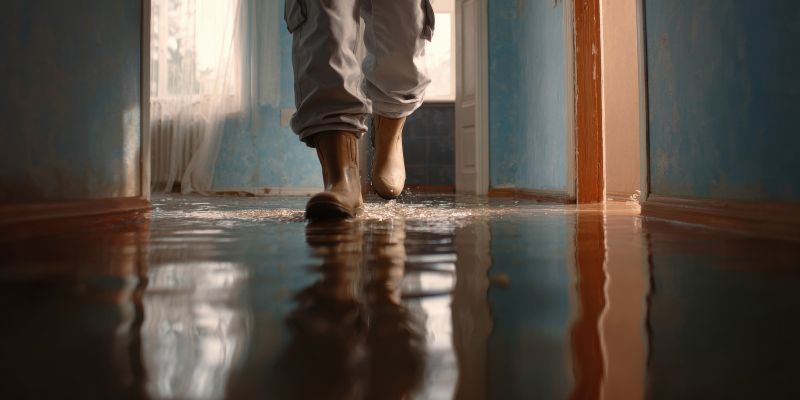
Structural Drying Solutions
Comprehensive drying methods to restore building integrity in wilmington area homes.
Water Remediation in Wilmington, NC
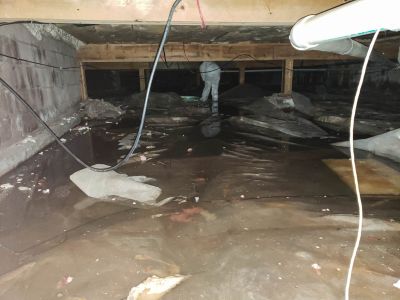
Water remediation services involve the process of identifying, cleaning, and restoring properties affected by water damage. This can include situations such as flooding, burst pipes, roof leaks, or sewage backups. The goal is to remove excess water, dry affected areas thoroughly, and prevent issues like mold growth or structural deterioration. Projects may range from small-scale repairs in a single room to extensive restoration of entire homes, ensuring that property owners can recover from water-related incidents efficiently and effectively.
Homeowners typically want to understand the scope of water remediation, including the areas that may be affected and the steps involved in drying and cleaning. It’s important to consider whether the damage is confined or widespread, and to be aware of potential secondary issues like mold or compromised building materials. Contacting a professional can help assess the extent of water damage and develop a plan to restore the property to a safe, dry condition.
Many property owners in Wilmington, NC look into Water Remediation for repairs, replacements, upgrades, and appearance-related improvements.
Common Water Remediation Jobs
Water Damage Restoration - services to repair and restore properties affected by leaks or flooding.
Mold Remediation - removal of mold growth caused by excess moisture or water intrusion.
Sewage Cleanup - safe removal and disinfection of contaminated areas from sewage backups.
Water Leak Repair - detection and fixing of leaks to prevent further water damage.
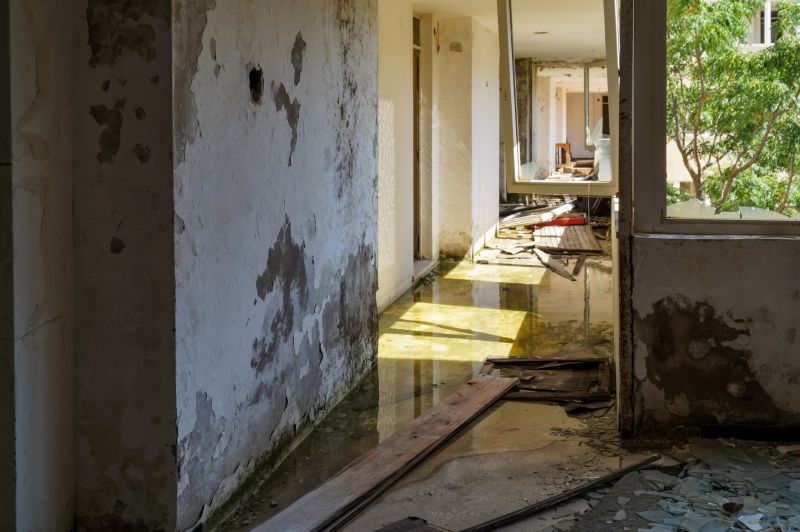
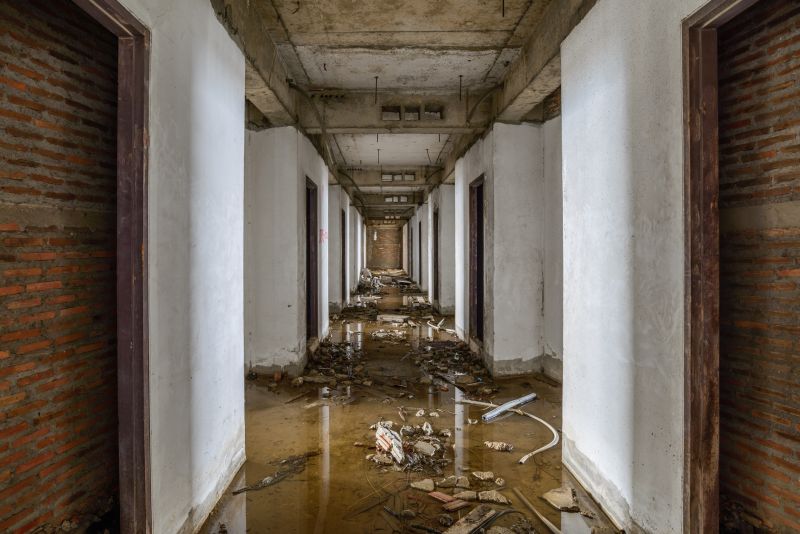
Flood Damage Cleanup - removal of standing water and drying to minimize structural harm.
Water Filtration Solutions - installation of systems to improve water quality and safety.
Water Remediation Questions
What types of water issues require remediation? Water remediation addresses problems like flooding, sewage backups, and persistent moisture that can damage property and promote mold growth.
How can water damage affect a property? Water damage can weaken structural elements, cause staining, and lead to mold development if not properly addressed.
What are common sources of water intrusion? Common sources include leaks, heavy rainfall, plumbing failures, and roof or foundation issues.
What should property owners know about water remediation processes? Proper remediation involves removing excess water, drying affected areas, and preventing future moisture problems to protect the property’s integrity.
Request Water Remediation in Wilmington, NC
Use the quote form on this page to share the basics of your project and request more information for the type of work you need.