
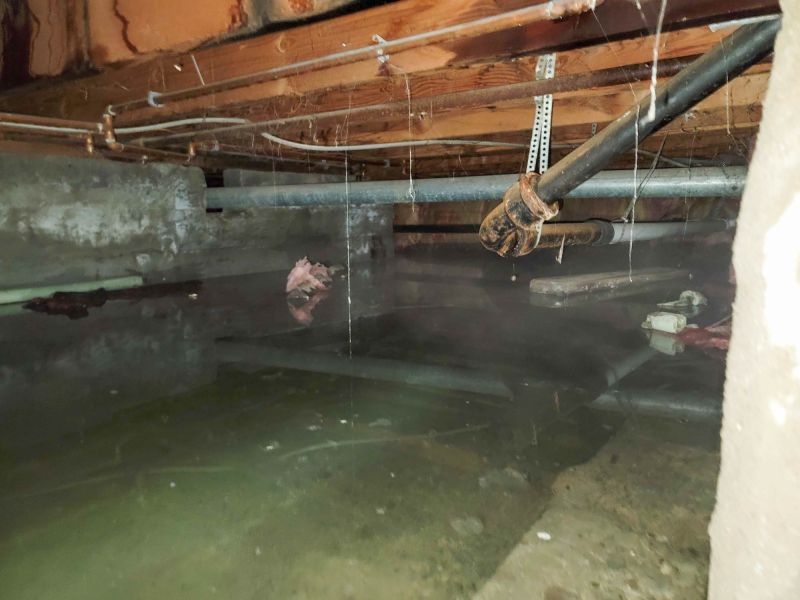
Water Damage Mitigation in Wilmington, NC
Water damage mitigation services focus on reducing and controlling the impact of water intrusion in residential properties. This service typically involves assessing the extent of water intrusion, removing standing water, drying affected areas, and preventing further damage such as mold growth or structural issues. Projects can include flood recovery, leaks from plumbing or appliances, storm-related water intrusion, or accidental overflows. Homeowners often seek this service when experiencing visible water presence, musty odors, or signs of moisture that could compromise the integrity of walls, flooring, or personal belongings.
Before requesting water damage mitigation, property owners usually want to understand the scope of work involved, the potential for property restoration, and the importance of prompt action to minimize damage. Clarifying what areas are affected, the types of materials that can be restored, and the process for drying and dehumidifying can help in making informed decisions. It is also helpful to know whether the mitigation process includes mold prevention measures and how long the restoration might take to ensure the property is returned to a safe, livable condition.
Many property owners in Wilmington, NC look into Water Damage Mitigation for repairs, replacements, upgrades, and appearance-related improvements.
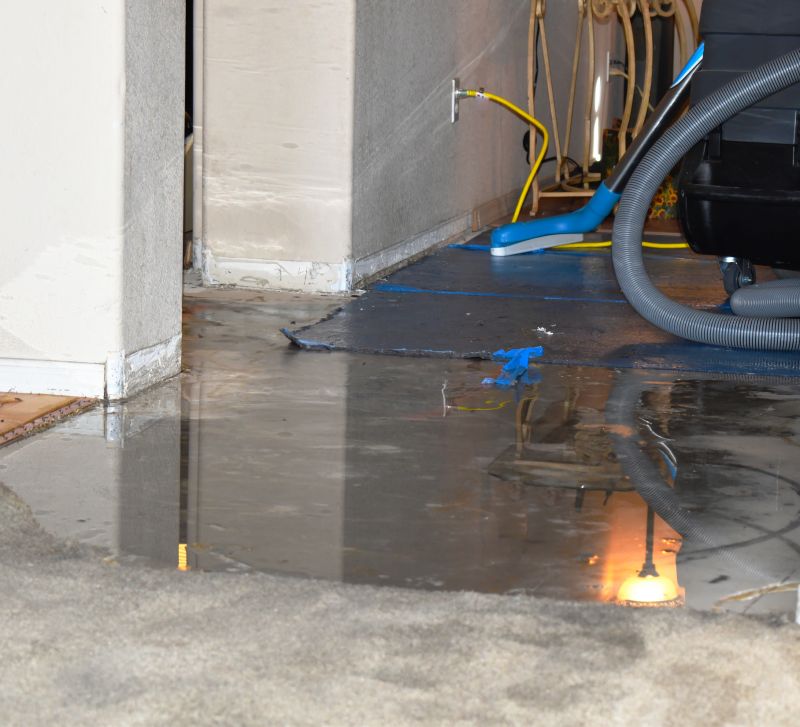
Water Damage Restoration
Effective removal of excess water helps prevent mold and structural issues in wilmington homes.
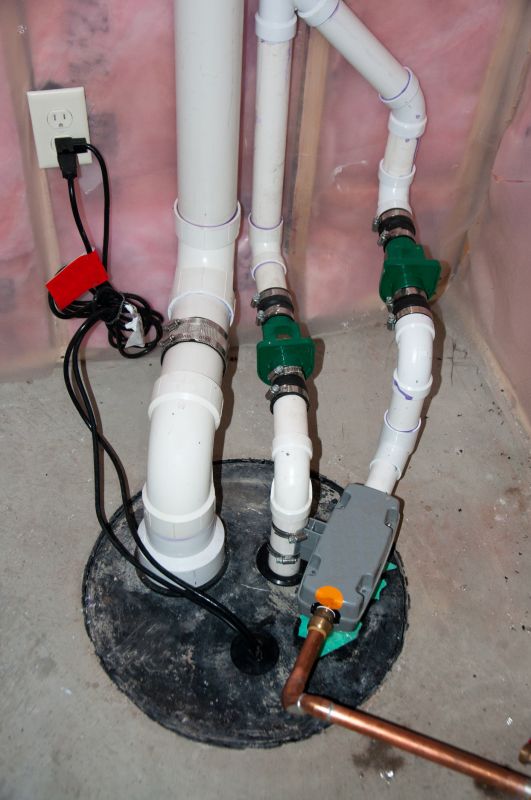
Structural Drying Solutions
Proper drying techniques restore stability and reduce the risk of long-term damage to your property.
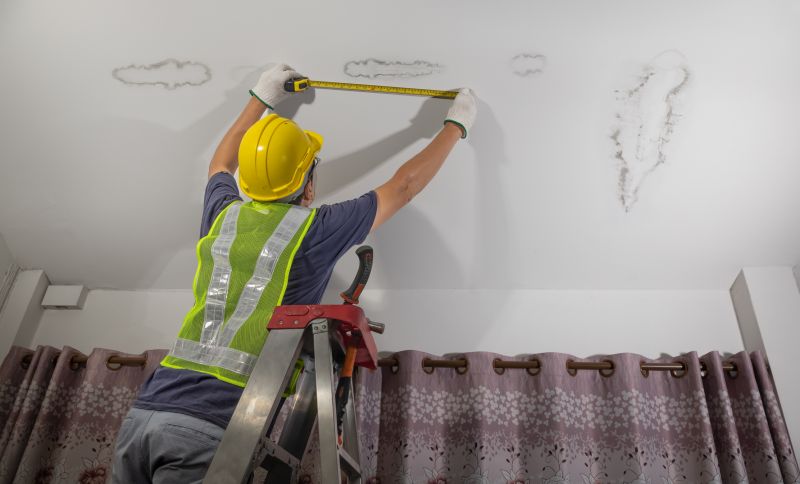
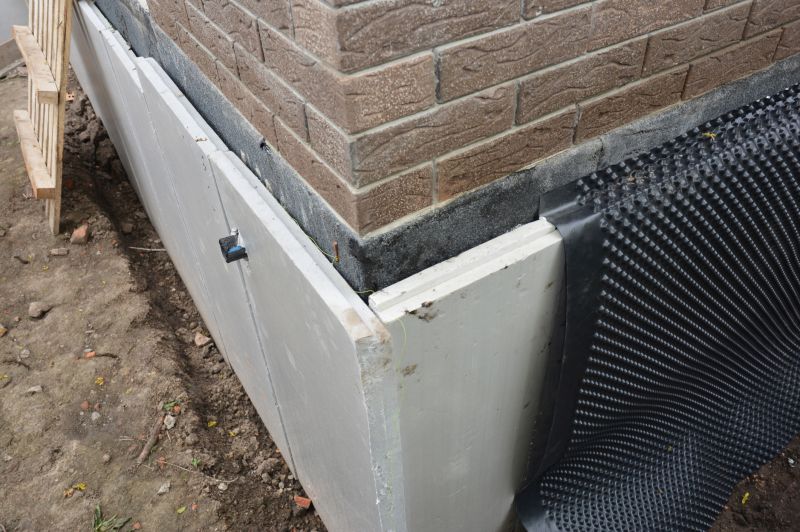
Moisture Prevention Strategies
Identifying and addressing sources of moisture can help protect wilmington residences from future water problems.
Water Damage Mitigation in Wilmington, NC
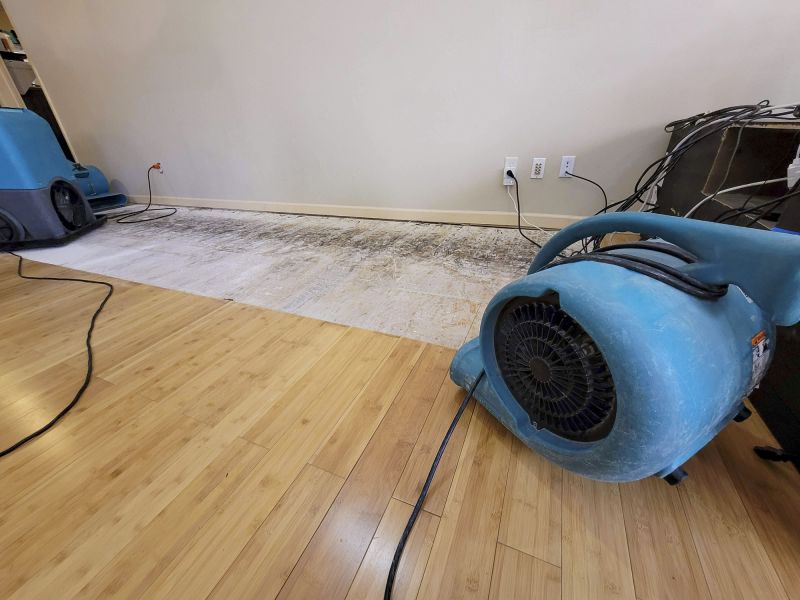
Water damage mitigation services focus on reducing and controlling the impact of water intrusion in residential properties. This service typically involves assessing the extent of water intrusion, removing standing water, drying affected areas, and preventing further damage such as mold growth or structural issues. Projects can include flood recovery, leaks from plumbing or appliances, storm-related water intrusion, or accidental overflows. Homeowners often seek this service when experiencing visible water presence, musty odors, or signs of moisture that could compromise the integrity of walls, flooring, or personal belongings.
Before requesting water damage mitigation, property owners usually want to understand the scope of work involved, the potential for property restoration, and the importance of prompt action to minimize damage. Clarifying what areas are affected, the types of materials that can be restored, and the process for drying and dehumidifying can help in making informed decisions. It is also helpful to know whether the mitigation process includes mold prevention measures and how long the restoration might take to ensure the property is returned to a safe, livable condition.
Many property owners in Wilmington, NC look into Water Damage Mitigation for repairs, replacements, upgrades, and appearance-related improvements.
Common Water Damage Mitigation Jobs
Water extraction services - removing standing water to prevent further damage and mold growth.
Structural drying - using specialized equipment to thoroughly dry affected building materials.
Mold prevention - implementing measures to inhibit mold growth after water intrusion.
Content drying - restoring and drying belongings impacted by water exposure.
Leak detection and repair - identifying and fixing sources of water intrusion to prevent future damage.
Water damage assessment - evaluating the extent of damage to develop an effective mitigation plan.
Water Damage Mitigation Questions
What is water damage mitigation? It involves removing water, drying affected areas, and preventing mold growth after a water intrusion.
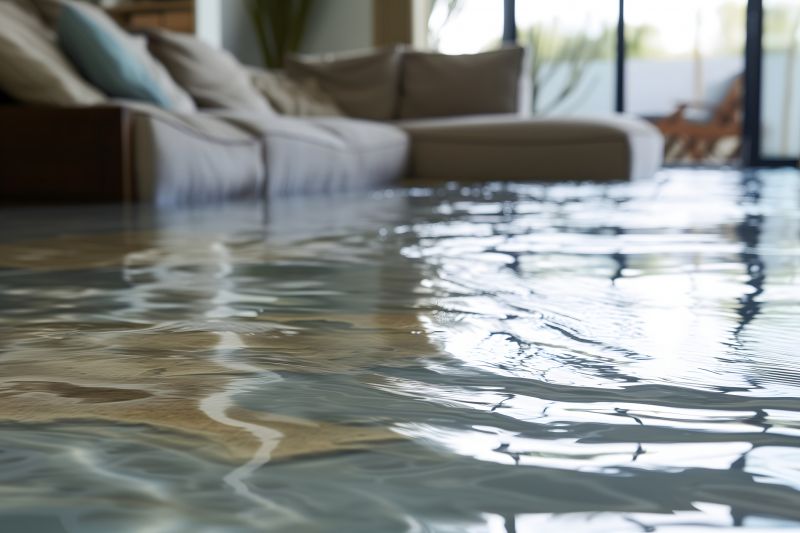
What types of water damage are commonly addressed? Common issues include leaks, flooding, burst pipes, and sewage backups.
Why is prompt mitigation important? Acting quickly reduces the risk of structural damage and mold development.
What areas should homeowners focus on after water damage? Key areas include flooring, walls, insulation, and any belongings affected by moisture.
Request Water Damage Mitigation in Wilmington, NC
Use the quote form on this page to share the basics of your project and request more information for the type of work you need.